


Not to be confused with PVC decking (non-wood polyvinyl chloride), WPC (wood plastic composite) decking is essentially another name for composite decking. As the name suggests, Wood Plastic Composite (WPC) decking typically consists of a combination of natural hardwood and synthetic materials, i.e. a composite. The end result is a natural-looking product that performs like a man-made material, providing aesthetic beauty and durability in equal measure. WPC decking has seen strong growth in popularity and the demand is expected to grow year on year. Composite decking offers a long list of advantages to end-users and distributors and is a strong rival to standard decking that makes it worth the investment.
Advantages of WPC Decking
Durability
Due to the plastic containment of WPC decking, the material has improved durability over its alternatives. This is a durable product. Its material, mix, and surface make it resistant to factors that typically reduce the lifespan of wood.
Low Maintenance
With WPC decking, you never need to worry about sanding, staining or painting. The occasional soap-and-water clean is all that’s required to maintain for decades.
Sustainable
WPC is made from eco-friendly materials. This composite material is made to last and has many of the properties of a wood decking without the environmental impact. Many WPC decking solutions are composed of recycled materials or products that have been made from maintained resources.
Cost-Effective
WPC composite decking might be more costly in the beginning but this product continues to look great year after year and has virtually no cost of upkeep. As already stated, composite decking requires less maintenance.





Why Choose Us
Our factory
To provide better services, ASC has set up a factory named Hangzhou Mind Technology Co., Ltd. All the equipment and facilities have been arranged in accordance with ICTl, BSCL and ISO9001 standards Professional equipment, such as injection molding machines, ultrasonic welding machines, foaming machines, can basically meet customers' various needs and requirements including OEM and ODM orders.
Our product
Our main products are PVC Decking, PVC Cladding Panel, PVC Fence, Balusters aswell as many other PVC products like Whelping Box, Flower Pot, Decoration Boards and so on. The unique PVC materials and our tough technics enable our products features of light, anti-UV,corrosion proof, water-proof, fire-proofand durable. Committed to producing the high end products and meet markets' requirements, ASC's products can meet ISO 9227:2017,ASTM and ICC-ES standards.
Production equipment
Injection moulding machines, ultrasonic welding machines, foam machines. All the equipment and facilities are arranged according to ICTl, BSCL and ISO9001 standards.
Our service
Before mass production the design team examine every details of the sample to make sureit meets customers requirement and design team together with marketing department provides material and color references after analyzing general trends.
What Types of WPC Decking
There are 2 main types of composite garden decking currently out in the marketplace. Wood plastic composite decking (wpc), known as 1st generation and capped composite decking (co-extruded), also referred to as 2nd generation. Both composite deckings can be bought with a solid or hollow profile in a wide range of colours and finishes. The most popular deck board is the deep embossed wood grain finish due to its incredible realism compared to natural wood grain boards.

Wood plastic composite decking (wpc)
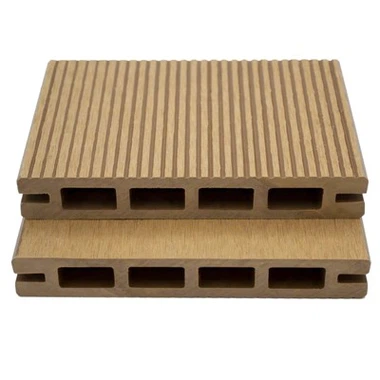
Wood plastic composite decking; is made up of a 60% recycled wood powder, 30% recycled plastic and 10% additives such as, anti uv agent, anti oxidant agent and stabilisers. These are mixed up in giant hoppers to form a consistent blend and then extruded to form composite decking boards. Wpc decking is the same colour throughout the board and is very durable in a diverse range of weather conditions. Which is why it has proven such a popular alternative to natural wood decking. The majority of composite decking boards are dual sided, this enabling them to be used either side up. Often one side is a wood grain finish and the opposite side a grooved lined finish. Don’t let the term ‘1st generation’ put you off wpc, it is a great product and has developed considerably over the years.

Capped composite decking (co-extruded decking)
Capped composite decking, is referred to as 2nd generation composite garden decking. It is made up of a wpc core which is then ‘capped’ (covered) with a high quality plastic coat sealing the core. The coating making the board very hard wearing, enabling it to handle heavy foot fall and be resilient to staining. Co-extruded decking also comes dual sided, giving the buyer a choice. However what is on the market currently does not provide as much wood grain texture as the wpc boards.

Solid and hollow decking
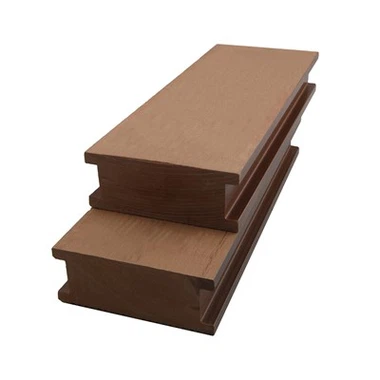
In the past solid has been recommended for commercial or heavy domestic areas with high foot fall, as it could handle high ware and tear. Hollow composite garden decking is by far the most popular and has been improving year on year. In order to compete with solid boards there are now boards with rectangle and circle hollows on the market with the better qualities and high break loads.
Gardens
For cost-effective and low maintenance garden projects, like decking, paths, planters or raised beds, wood-plastic composite (WPC) is a no-brainer, especially if there are elements that place high demand on the area, such as water or heat sources, or play equipment.
Roofs and Balconies
Outdoor-facing materials don’t need to be ugly or compromising on functionality: roofs are an ideal place to install WPC as they must withstand the elements while keeping the building looking smart. Meanwhile, balconies, rooftop terraces or outdoor mezzanine levels would all benefit from the sophisticated yet practical benefits that WPC brings.
Schools and Colleges
Educational centres, like schools, nurseries and colleges, are often tasked with finding durable yet cost-effective materials that are easy to look after and will last as long as possible. When you have thousands of pairs of feet running across a floor every day, as well as industrial cleaning chemicals being sluiced about the place, you need a building material that will stay looking great and performing superbly for years to come. Choose WPC decking or cladding for grade-A results that will keep the governors happy.
Leisure
As health clubs, gyms, pools and spas increasingly become central to people’s routines, clients expect environments that make them want to return, day after day. WPC decking looks great alongside a hot tub or swimming pool, or used in changing rooms instead of wood, which is more susceptible to rotting in moist and high-traffic environments. Got plans to open a ski lodge or forest retreat? WPC cladding adds that luxurious rustic touch to the outside of the building without any loss of practicality.
Healthcare
Whether it’s an assisted living home or rehabilitation facility, there are plenty of environments where WPC materials complement the function of the building. Healthcare environments demand safe, cost-effective, non-toxic and low-maintenance materials that cause no extra headaches. By resisting mould and fungal growth, WPC cladding, decking and balustrades negate the health risk associated with airborne spores and lingering moisture. The material is durable and easy to clean and keep sterile, making it ideal for hospital gardens, terraces and other terraces.
Garden Rooms
Let the outside in and construct a garden room that incorporates the elements of nature into a living space. The problem is that plants, especially the hothouse kind found in many conservatories, require a humid environment, inviting mould and insects that feed off rotting matter. Instead of tiles, which can get slippery, and plain timber, which can get funky, choose WPC for a long-lasting material that looks great alongside nature.
Sheds and Modular Buildings
In the WFH (working from home) era, many people are converting existing outdoor buildings or creating new ones to act as an office. Whether it’s constructing a state-of-the-art garden office with all the mod cons, or refurbishing a former toolshed, WPC boards are great for walls and flooring and won’t get as mucky as natural elements, like wood or carpets, might over the years. Choose WPC as a tool that performs superlatively day-in, day-out.
Smooth Decking Boards
A smooth surface looks very modern and elegant. It is easier to clean than other models because dirt cannot easily adhere to it.
The exceptionally smooth surface feels comfortable when walking barefoot. This surface is also advantageous for pond or pool surroundings because water drains more quickly. Additionally, the risk of fungal and algae growth is lower.
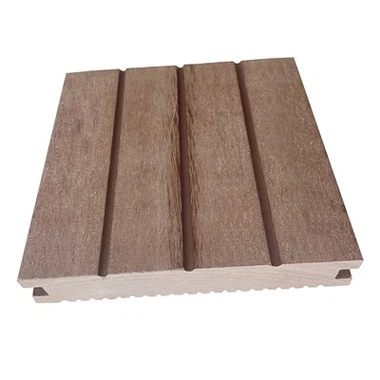
Grooved Decking Boards
The grooved surface is the classic option. It is slightly more slippery than the smooth surface because water can accumulate in the grooves. The slower drying of these boards can lead to faster algae or fungal colonies. Over time, this can result in a shorter lifespan for the boards. Dust and dirt can get trapped in the grooves, making these boards harder to clean than those with a smooth surface.
Brushed Surface Decking Boards
A brushed surface closely resembles the natural wood texture.
The pros and cons of this surface are essentially the same as those for grooved boards.
Decking Boards with French Profile
The French profile creates an intricate pattern for the terrace.
With this surface, smooth and grooved areas alternate on the board.

How to Select the Right WPC Decking for Your Project
The first thing to consider when selecting a wpc deck board is the material composition. Wpc, which stands for wood-plastic composite, is a popular choice for decking due to its durability and low maintenance requirements. Wpc deck boards are composed of a mixture of wood fibers and plastic, resulting in a solid, weather-resistant product that is resistant to rot, mold, and mildew. When choosing a wpc deck board, ensure that it is made from high-quality materials to guarantee long-term performance and longevity.
Another important factor to consider when selecting a wpc deck board is the design and color options available. Wpc deck boards come in a variety of styles, textures, and colors to suit different aesthetic preferences and architectural styles. Whether you prefer a traditional wood grain look or a modern, sleek finish, there is a wpc deck board design that will complement your outdoor space. Additionally, consider the color options available and how they will complement your existing landscape and outdoor decor.
One of the key advantages of wpc deck boards is their low maintenance requirements. Unlike traditional wood decking, wpc deck boards do not require regular staining, sealing, or painting to maintain their appearance and performance. However, it is still important to consider the maintenance requirements of the specific wpc deck board you choose. Some wpc deck boards may require periodic cleaning with mild soap and water to remove dirt and debris, while others may be resistant to stains and spills. Consider your lifestyle and how much time you are willing to dedicate to maintaining your deck before selecting a wpc deck board.
Lastly, when selecting a wpc deck board for your project, consider the warranty and guarantees offered by the manufacturer. A reputable manufacturer will stand behind their product with a warranty that guarantees performance and durability. Be sure to read the manufacturer’s warranty carefully to understand what is covered and for how long. Additionally, consider whether the manufacturer offers any guarantees on the color retention, fade resistance, or structural integrity of the wpc deck board. By selecting a wpc deck board with a strong warranty and guarantees, you can have peace of mind knowing that your investment is protected.
Daily WPC Decking Care and Cleaning Tips
Wpc decking combines the aesthetics of wood with the durability of plastic. While it’s known for its low maintenance, regular care is essential to maintain its appearance and longevity.
Routine cleaning
Regular cleaning is crucial. Daily sweeping with a soft-bristle brush helps remove debris like leaves, dirt, and dust. This not only keeps your deck looking clean but also prevents the buildup of materials that can cause mildew or stains.
Spot cleaning
Spills should be addressed immediately. Use a cloth or sponge with warm soapy water to clean spills from food, beverages, or other substances. Avoid harsh chemicals that can damage the decking material. Rinse thoroughly with clean water after cleaning.
Mildew and mold prevention
In damp environments, mildew and mold can be a concern. To prevent growth, ensure good air circulation around your deck and keep it free from organic debris. If mildew or mold appears, use a mildew remover suitable for wpc materials. Avoid bleach-based products which can discolor the decking.
Water management
Ensure proper drainage around your deck. Standing water can lead to mold, mildew, and even structural damage. Check your deck’s installation to ensure water flows away correctly.
Avoid scratching
Furniture or planters can scratch the surface. Use protective pads under furniture legs and move items occasionally to prevent marking. Avoid dragging heavy objects across the deck.
Regular inspection
Periodically inspect your deck for any signs of damage such as cracks, loose boards, or discoloration. Early detection allows for timely repairs, preventing more significant issues.
Professional cleaning
Once a year, consider a professional cleaning. This can help tackle any stubborn stains and provide a thorough clean, refreshing the appearance of your deck.
By adhering to these daily maintenance and protection strategies, you can ensure that your wpc decking remains an attractive, durable feature of your outdoor space.
Our factory
Asia (Hangzhou) Sourcing & Communications, covers 10,800 square meters area, is established in 2004, located in Hangzhou, which is easy access to Ningbo and Shanghai port. ASC is specialized in designing, producing.exporting many building products, such as Outdoor Flooring, Balusters, Fence, Railings, Deck LED Lights and so on. It has a responsible service team to provide customers with the most professional and whole-hearted service. ASC has been producing environmentally friendly composite building products with own patent and brands for decades. ASC has an excellent R&D Dept. to seek, explore and develop high-tech and practical products.The innovative design, along with the high quality materials and manufacturing processes enable ASC to offer premier solutions to the problems faced by customers today. Up till now, ASC has gained a good reputation from customers and its products are in great demand in American and European markets.


Certificate

FAQ
As one of the leading wpc decking manufacturers and suppliers in China, we warmly welcome you to wholesale cheap wpc decking from our factory. All our products are with high quality and competitive price. Contact us for more details.