

Can PVC decking be used in areas with high humidity?
Jun 17, 2025
Leave a message
Can PVC decking be used in areas with high humidity?
As a supplier of PVC decking, I often get asked whether our products can be used in areas with high humidity. This is a crucial question, especially for customers living in coastal regions, rain - prone areas, or places with high levels of moisture in the air. In this blog, I'll delve into the characteristics of PVC decking and explain why it's an excellent choice for high - humidity environments.
The Composition and Advantages of PVC Decking
PVC, or polyvinyl chloride, is a synthetic plastic polymer. Our PVC decking is made from a combination of PVC resin, stabilizers, lubricants, and other additives. This composition gives it several key advantages that make it suitable for high - humidity areas.
One of the most significant benefits is its waterproof nature. Unlike natural wood, which can absorb water, causing it to swell, warp, and rot over time, PVC decking does not absorb moisture. When exposed to high humidity or direct contact with water, our PVC decking remains intact. This means that even in areas where it rains frequently or where there is a lot of condensation, the decking will not be damaged by water infiltration.
In addition to its waterproofness, PVC decking is highly resistant to mold and mildew. Mold and mildew thrive in moist environments, and they can quickly degrade traditional decking materials. However, the smooth surface of our PVC decking makes it difficult for mold and mildew to attach and grow. We also add anti - microbial agents during the manufacturing process, providing an extra layer of protection against these fungi.
Another advantage of PVC decking is its dimensional stability. High humidity can cause natural materials to expand and contract, leading to gaps, cracks, and an uneven surface. PVC decking, on the other hand, maintains its shape and size regardless of the humidity level. This ensures a long - lasting and visually appealing deck, even in the most challenging environmental conditions.
Applications in High - Humidity Areas
Let's take a look at some specific high - humidity scenarios where our PVC decking can be used effectively.
Coastal Areas: Coastal regions are known for their high humidity, saltwater exposure, and strong winds. Our PVC decking is an ideal choice for coastal homes and beachfront properties. It can withstand the corrosive effects of saltwater, which would quickly damage wood or metal decking. The UV - resistant properties of our PVC decking also protect it from the strong sunlight often found in coastal areas, preventing color fading and surface degradation.
Bathrooms and Saunas: Inside the house, high - humidity areas like bathrooms and saunas can benefit from PVC decking. The waterproof and mold - resistant features make it a hygienic and durable option for these spaces. You can use Deck Pvc Flooring to create a stylish and functional floor in your bathroom or sauna, without having to worry about water damage or the growth of harmful fungi.

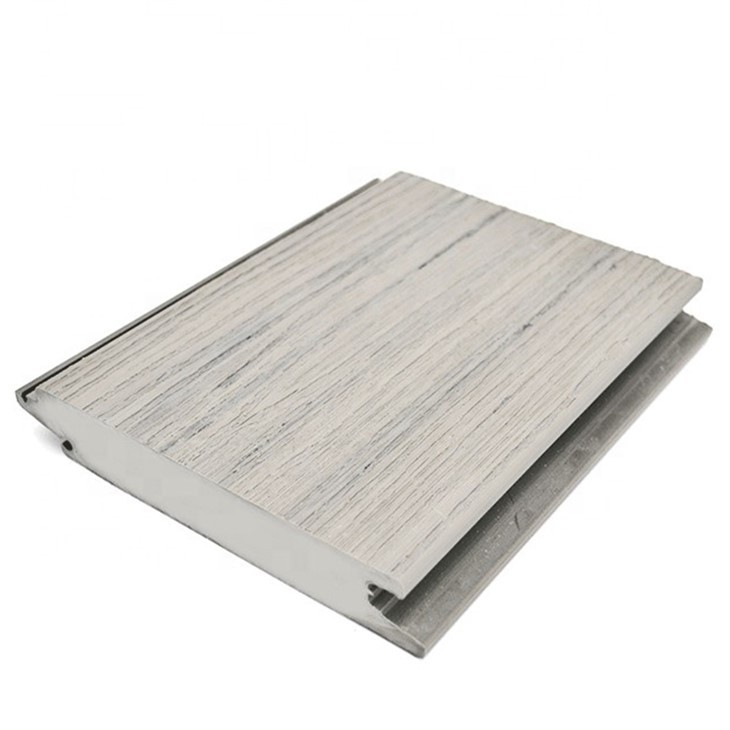
Pool Decks: Pool decks are constantly exposed to water and high humidity. Our PVC decking provides a safe and comfortable surface around the pool. It has a non - slip surface, reducing the risk of accidents caused by wet feet. The easy - to - clean nature of PVC decking also makes it convenient for pool owners, as it can be quickly wiped down after use. You can explore our Decking Pvc Outdoor Panel Floor options for a perfect pool deck solution.
Greenhouses: Greenhouses maintain a high level of humidity to support plant growth. PVC decking can be used as a flooring material in greenhouses. It won't rot or decay due to the moist environment, and its smooth surface makes it easy to clean and disinfect. This is important for maintaining a healthy growing environment for plants.
Maintenance in High - Humidity Areas
While PVC decking is low - maintenance in general, there are still some simple steps you can take to ensure its longevity in high - humidity areas.
Regular cleaning is essential. You can use a mild soap and water solution to clean the decking surface. This will remove any dirt, debris, or salt deposits that may accumulate over time. Avoid using abrasive cleaners or tools, as they can scratch the surface of the PVC decking.
Inspect the decking periodically for any signs of damage. Although PVC decking is highly durable, it's still possible for it to be damaged by heavy objects or extreme weather conditions. If you notice any cracks or chips, you can easily replace the damaged sections.
In areas with very high humidity, it's a good idea to provide proper ventilation. This can help reduce the moisture level around the decking and prevent the formation of condensation. For example, if you're using PVC decking in a greenhouse, make sure there are enough vents to allow air circulation.
Comparing with Other Decking Materials
When considering decking options for high - humidity areas, it's important to compare PVC decking with other materials.
Wood Decking: As mentioned earlier, wood is highly susceptible to water damage, mold, and mildew in high - humidity environments. It requires regular staining, sealing, and maintenance to prevent rot and decay. In contrast, our PVC decking offers a hassle - free alternative that looks great without the need for constant upkeep. If you still want the look of wood, we also offer Wood Deck Pvc Cover, which can transform your existing wood deck into a more durable and low - maintenance surface.
Composite Decking: Composite decking is a mixture of wood fibers and plastic. While it has some advantages over traditional wood, it can still absorb moisture to a certain extent. This can lead to swelling and the growth of mold in high - humidity areas. PVC decking, with its complete waterproofness, provides better protection against these issues.
Concrete Decking: Concrete is a durable material, but it can be cold and hard underfoot. It also tends to crack over time due to changes in temperature and humidity. PVC decking offers a warmer and more comfortable surface, and it's less prone to cracking.
Conclusion
In conclusion, PVC decking is an excellent choice for areas with high humidity. Its waterproof, mold - resistant, and dimensionally stable properties make it a durable and low - maintenance option for a variety of applications. Whether you're building a deck in a coastal area, a pool deck, or a floor in a high - humidity indoor space, our PVC decking can meet your needs.
If you're interested in purchasing our PVC decking products, we're more than happy to discuss your specific requirements. Contact us to start a procurement negotiation, and let us help you create the perfect decking solution for your high - humidity environment.
References
- "Plastic Decking: A Comprehensive Guide" by Decking Industry Association
- "Materials for High - Humidity Environments" published by the Building Materials Research Institute