

Does white PVC fencing require regular inspections?
Jul 02, 2025
Leave a message
As a seasoned supplier of White PVC Fencing, I've witnessed firsthand the growing popularity of this fencing solution. Its aesthetic appeal, durability, and low - maintenance nature make it a top choice for homeowners and businesses alike. However, a question that often arises is whether white PVC fencing requires regular inspections. In this blog post, I'll delve into this topic and share my insights based on years of experience in the industry.
The Durability of White PVC Fencing
White PVC fencing is known for its exceptional durability. Unlike traditional wood fencing, PVC doesn't rot, warp, or succumb to insect infestations. It can withstand harsh weather conditions, including extreme heat, cold, and high humidity. The material is also resistant to fading, ensuring that your fence maintains its pristine white appearance for years to come.
This durability is a result of the manufacturing process. PVC is a synthetic plastic polymer that is highly stable and resilient. During production, additives are incorporated to enhance its resistance to UV rays, which helps prevent discoloration and degradation. Additionally, the fencing is designed to be strong and flexible, allowing it to withstand minor impacts without cracking or breaking.
Why Regular Inspections are Still Necessary
Despite its durability, white PVC fencing is not completely immune to damage. Regular inspections are crucial for several reasons.
1. Identifying Physical Damage
Over time, your fence may experience physical damage due to various factors. For example, a fallen tree branch, a collision with a vehicle, or even the impact of a strong gust of wind can cause dents, cracks, or breaks in the fencing. These damages may seem minor at first, but if left untreated, they can compromise the structural integrity of the fence and lead to more significant problems in the future.
During an inspection, you should carefully examine the entire length of the fence, looking for any signs of damage. Check the panels, posts, and rails for cracks, chips, or loose parts. Pay special attention to areas where the fence is attached to the ground or other structures, as these are often the most vulnerable points.
2. Checking for Loose Connections
The connections between the different components of the fence, such as the panels and posts, need to be secure. Over time, these connections can become loose due to normal wear and tear, temperature fluctuations, or ground movement. Loose connections can cause the fence to become unstable, increasing the risk of it falling over or collapsing.
Inspect all the fasteners, such as screws, bolts, and clips, to ensure they are tight. If you find any loose connections, tighten them immediately. If a fastener is damaged or missing, replace it with a new one to maintain the stability of the fence.
3. Monitoring for Environmental Impact
Environmental factors can also affect the condition of your white PVC fencing. For instance, exposure to high levels of pollution, saltwater (in coastal areas), or certain chemicals can gradually degrade the PVC material. UV rays, although the fencing is designed to be resistant, can still cause some minor discoloration or surface degradation over a long period.
Regular inspections allow you to monitor the impact of these environmental factors on your fence. If you notice any signs of discoloration, surface roughness, or other forms of degradation, you can take appropriate measures to protect the fence, such as applying a protective coating or relocating the fence if necessary.
How Often Should You Inspect Your White PVC Fence?
The frequency of inspections depends on several factors, including the location of the fence, the local climate, and the amount of traffic or activity around the fence. As a general rule of thumb, it's recommended to inspect your white PVC fence at least twice a year.
In areas with harsh weather conditions, such as regions prone to hurricanes, heavy snowfall, or extreme temperature fluctuations, you may want to increase the frequency of inspections to quarterly. This will help you catch any potential problems early and prevent them from escalating.
What to Look for During an Inspection
When inspecting your white PVC fence, here are some key things to look out for:
1. Visual Appearance
Check for any signs of discoloration, such as yellowing or fading. This could be a sign of UV damage or exposure to chemicals. Also, look for any stains or dirt buildup on the fence, as this can not only affect the aesthetic appeal but also potentially cause long - term damage if left uncleaned.
2. Structural Integrity
Examine the fence for any signs of bending, warping, or sagging. These issues can indicate a problem with the foundation or the internal structure of the fence. Check the posts to ensure they are plumb and firmly anchored in the ground. If a post is leaning or loose, it needs to be addressed immediately to prevent further damage.
3. Hardware and Accessories
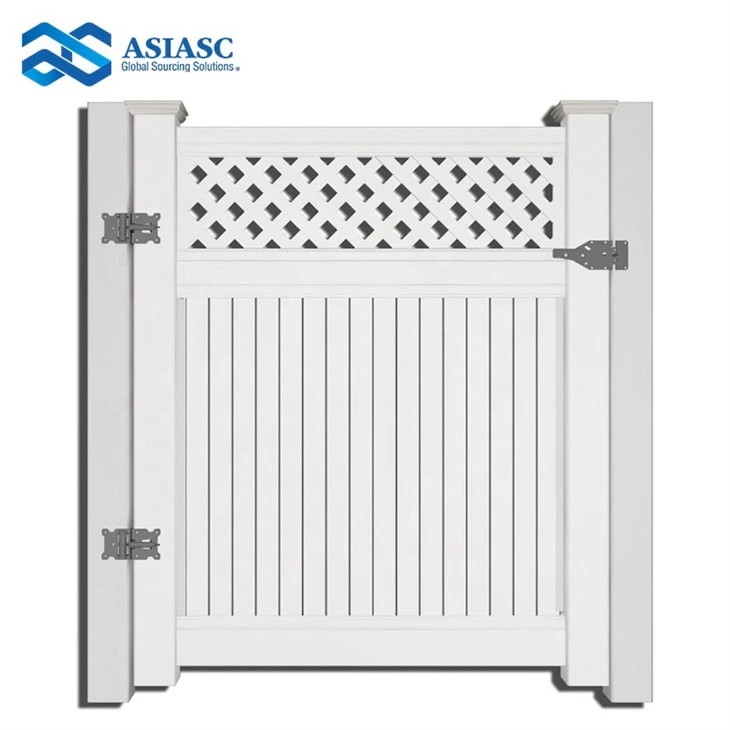
Inspect all the hardware and accessories, such as gate hinges, latches, and decorative elements. Make sure they are in good working condition and free from rust or corrosion. Replace any damaged or worn - out hardware to ensure the proper functioning of the fence and its accessories.
Maintaining Your White PVC Fence
In addition to regular inspections, proper maintenance is essential to keep your white PVC fence in top condition. Here are some maintenance tips:
1. Cleaning
Regular cleaning is an important part of maintaining the appearance and longevity of your white PVC fence. Use a mild soap and water solution to clean the fence, and a soft - bristled brush to remove any stubborn dirt or stains. Avoid using abrasive cleaners or tools, as they can scratch the surface of the PVC and damage its protective layer.
2. Lubrication
If your fence has moving parts, such as gates, lubricate the hinges and latches regularly to ensure smooth operation. Use a silicone - based lubricant, as it is non - corrosive and won't damage the PVC material.

Conclusion
In conclusion, while white PVC fencing is a durable and low - maintenance option, regular inspections are still necessary. By conducting routine inspections, you can identify and address any potential problems early, ensuring the longevity and functionality of your fence.
If you're in the market for a high - quality white PVC fence, we are here to help. We offer a wide range of products, including White Composite Fence, Vinyl Privacy Fence Panels, and Pvc Fence For Sale. Our team of experts can provide you with professional advice and guidance to help you choose the right fence for your needs. Contact us today to start the procurement process and discuss your requirements.
References
- "PVC Fencing: A Comprehensive Guide", Fencing Industry Journal, 20XX
- "The Durability of Synthetic Fencing Materials", Construction Materials Research Institute, 20XX
- "Maintenance and Inspection of PVC Fencing", Home Improvement Magazine, 20XX