

How can I prevent slipping on PVC wood decking?
Sep 22, 2025
Leave a message
As a supplier of PVC wood decking, I understand the importance of safety when it comes to outdoor surfaces. Slipping on a deck can lead to serious injuries, which is why it's crucial to take preventive measures. In this blog post, I'll share some effective ways to prevent slipping on PVC wood decking, ensuring a safe and enjoyable experience for everyone.
Understanding the Risk of Slipping on PVC Wood Decking
PVC wood decking is a popular choice for outdoor spaces due to its durability, low maintenance, and aesthetic appeal. However, like any other surface, it can become slippery under certain conditions. Factors such as moisture, debris, and wear and tear can increase the risk of slipping. For instance, when it rains or snows, water can accumulate on the deck surface, reducing friction and making it easier to lose your footing. Additionally, leaves, dirt, and other debris can create a slippery layer if not cleaned regularly.
Choosing the Right PVC Wood Decking
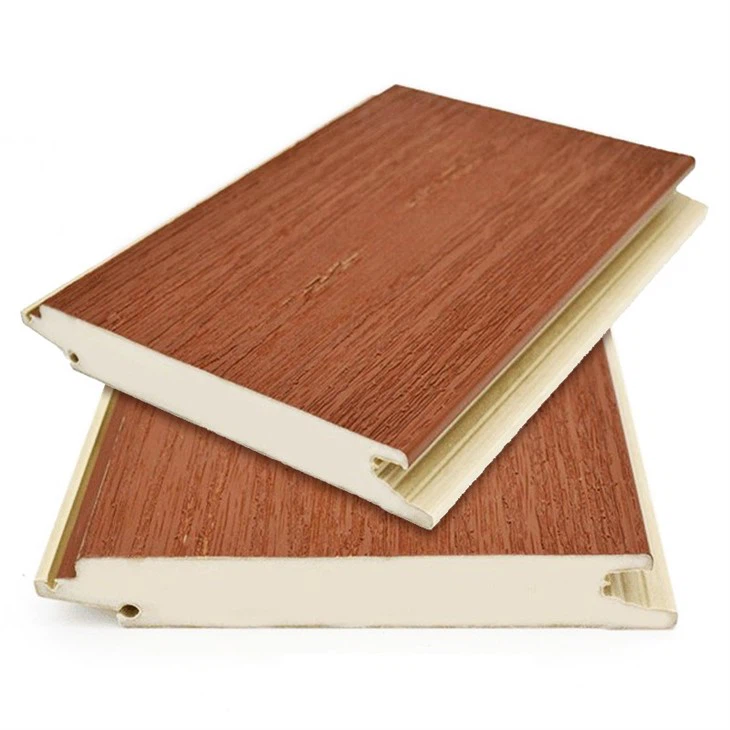
The first step in preventing slipping is to choose the right type of PVC wood decking. Look for products with a textured surface. Textures can significantly increase the friction between your feet and the deck, making it less likely to slip. Many manufacturers offer PVC wood decking with various textures, such as embossed patterns that mimic the look of natural wood grain while providing better traction.
When selecting decking, also consider the slip resistance rating. Some products are tested and rated for their slip resistance, usually using a coefficient of friction (COF) measurement. A higher COF indicates better slip resistance. For outdoor applications, it's recommended to choose decking with a COF of at least 0.5 when wet. This information can usually be found in the product specifications provided by the manufacturer. You can explore our Pvc Deck Floor and PVC Outdoor Decking options, which are designed with safety in mind and offer good slip resistance.
Proper Installation
Proper installation of PVC wood decking is essential for both its longevity and safety. Incorrect installation can lead to uneven surfaces, which can increase the risk of tripping and slipping. Make sure the deck joists are properly spaced and level. Uneven joists can cause the decking boards to warp or buckle over time, creating an unsafe surface.
During installation, ensure that the decking boards are installed with the correct gaps between them. These gaps allow water to drain off the deck, preventing water from pooling and reducing the risk of slipping. The recommended gap size may vary depending on the product, so refer to the manufacturer's instructions for specific guidelines.
Regular Cleaning and Maintenance
Regular cleaning is one of the most effective ways to prevent slipping on PVC wood decking. Remove debris such as leaves, twigs, and dirt on a regular basis. You can use a broom or a leaf blower to clear the surface. For more thorough cleaning, use a mild detergent and water solution. Avoid using harsh chemicals or abrasive cleaners, as they can damage the decking surface and reduce its slip resistance.
Inspect the deck regularly for any signs of wear and tear. Check for loose boards, cracks, or splinters, and repair or replace them as soon as possible. Over time, the surface of the decking may become worn, which can reduce its slip resistance. If this occurs, you may need to consider refinishing or replacing the affected areas.
Using Non - Slip Coatings
Non - slip coatings can be applied to PVC wood decking to enhance its slip resistance. There are various types of non - slip coatings available on the market, including epoxy - based and acrylic - based coatings. These coatings typically contain abrasive particles that increase the friction on the deck surface.
Before applying a non - slip coating, make sure the deck surface is clean and dry. Follow the manufacturer's instructions carefully for application. Some coatings may require multiple coats for optimal results. Non - slip coatings can be a cost - effective way to improve the safety of your deck, especially if you have an existing deck that needs an extra boost in slip resistance.
Installing Safety Features
In addition to the above measures, you can also install safety features on your PVC wood deck to prevent slipping. Handrails are an essential safety feature, especially for decks that are elevated. They provide support and stability when walking on the deck, reducing the risk of falls. Make sure the handrails are securely installed and meet the local building codes.
Non - slip mats or treads can also be placed in high - traffic areas or areas prone to moisture, such as near the stairs or the pool. These mats provide an extra layer of traction and can help prevent accidents. You can choose from a variety of styles and materials to match the look of your deck.

Educating Users
Finally, educating the users of the deck about safety is crucial. Let them know about the potential risks of slipping on the deck, especially when it's wet. Encourage them to wear appropriate footwear with good traction, such as rubber - soled shoes. By raising awareness, you can help prevent accidents and ensure a safe environment for everyone.
In conclusion, preventing slipping on PVC wood decking requires a combination of proper product selection, installation, maintenance, and the use of safety features. As a PVC wood decking supplier, we are committed to providing high - quality products that meet the highest safety standards. Our Outdoor Pvc Deck options are designed to be both beautiful and safe. If you're interested in purchasing PVC wood decking or have any questions about preventing slipping, please don't hesitate to contact us for further discussion and to start a procurement negotiation.
References
- ASTM International. (2023). Standard Test Methods for Measuring Wet - Pendulum Slip Resistance of Coated Surfaces.
- Decking Manufacturers Association. (2023). Best Practices for Deck Installation and Maintenance.
- National Safety Council. (2023). Slip, Trip, and Fall Prevention Guidelines.