

Is white wood fencing easy to install?
Jan 21, 2026
Leave a message
White wood fencing has long been a popular choice for homeowners and property owners due to its classic aesthetic appeal and versatility. As a supplier of white wood fencing, I often get asked whether it is easy to install. In this blog post, I'll delve into the various aspects of white wood fence installation to help you understand just how straightforward or challenging the process can be.
The Basics of White Wood Fencing
Before we discuss the installation process, let's briefly touch on what white wood fencing is. White wood fencing typically refers to wooden fences that are painted or stained white. Common types of wood used for these fences include cedar, pine, and redwood. These woods are chosen for their durability, resistance to rot, and ability to hold paint or stain well. The white finish not only adds a clean and elegant look to the property but also provides an extra layer of protection against the elements.
Factors Affecting the Ease of Installation
1. Skill Level Required
One of the primary factors that determine how easy it is to install a white wood fence is your skill level. If you have experience with basic carpentry and construction work, installing a white wood fence may be a relatively straightforward DIY project. Tasks such as measuring, cutting wood, and driving nails or screws are common skills that are useful for fence installation.
However, if you are new to home improvement projects, you may find the process more challenging. For example, ensuring that the fence posts are perfectly vertical and evenly spaced requires some knowledge of leveling and measuring techniques. In such cases, it might be advisable to hire a professional contractor to ensure a high - quality installation.
2. Tools and Equipment
Another important aspect is the availability of the right tools and equipment. To install a white wood fence, you will need a variety of tools, including a post - hole digger, a saw (either a handsaw or a power saw), a hammer or nail gun, a level, a tape measure, and a drill. If you already own these tools, the installation process can be more convenient.

On the other hand, if you need to purchase or rent all the necessary tools, it can add to the complexity and cost of the project. Additionally, using the right tools correctly is crucial for a successful installation. For instance, using a dull saw blade can make cutting the wood more difficult and result in uneven cuts.
3. Site Conditions
The condition of the installation site also plays a significant role in the ease of installation. A flat and clear area is much easier to work with than a sloped or rocky terrain. If the ground is rocky, digging post holes can be extremely labor - intensive and may require the use of more powerful equipment, such as a jackhammer.
Moreover, if there are existing obstacles on the site, such as tree roots or underground utilities, they need to be carefully dealt with before starting the installation. For example, hitting an underground water pipe while digging a post hole can lead to costly repairs.
4. Fence Design
The design of the white wood fence can also impact the installation process. A simple picket fence with evenly spaced pickets is generally easier to install than a more complex design, such as a lattice - topped fence or a custom - shaped fence. Complex designs may require more precise cutting and assembly, which can be time - consuming and challenging, especially for beginners.
Step - by - Step Installation Process
Let's take a look at the general steps involved in installing a white wood fence:
1. Planning and Preparation
- Mark the Fence Line: Use stakes and string to mark the exact location where the fence will be installed. This will help you ensure that the fence is straight and properly aligned.
- Check Local Regulations: Before starting the installation, make sure to check with your local municipality for any building codes or permits that may be required.
- Gather Materials and Tools: As mentioned earlier, gather all the necessary materials, including wood, nails or screws, and tools.
2. Digging Post Holes
- Determine Post Spacing: The spacing between fence posts typically ranges from 6 to 8 feet, depending on the type of fence and the local building codes.
- Dig the Holes: Use a post - hole digger to dig holes that are deep enough to provide stability for the fence posts. The depth of the holes usually depends on the height of the fence, but a general rule of thumb is to dig the holes one - third to one - half of the height of the above - ground portion of the post.
3. Setting the Posts
- Place the Posts in the Holes: Set the fence posts in the holes and use a level to ensure that they are perfectly vertical.
- Backfill the Holes: Fill the holes with gravel or concrete to secure the posts in place. Make sure to compact the backfill material as you go to provide maximum stability.
4. Attaching the Rails
- Measure and Cut the Rails: Measure the distance between the fence posts and cut the rails to the appropriate length.
- Attach the Rails to the Posts: Use nails or screws to attach the rails to the fence posts. Make sure the rails are level and evenly spaced.
5. Installing the Pickets or Panels
- Attach the Pickets or Panels: Depending on the type of fence, attach the pickets or panels to the rails using nails or screws. Make sure the pickets or panels are evenly spaced and aligned.
Comparing with Other Fence Types
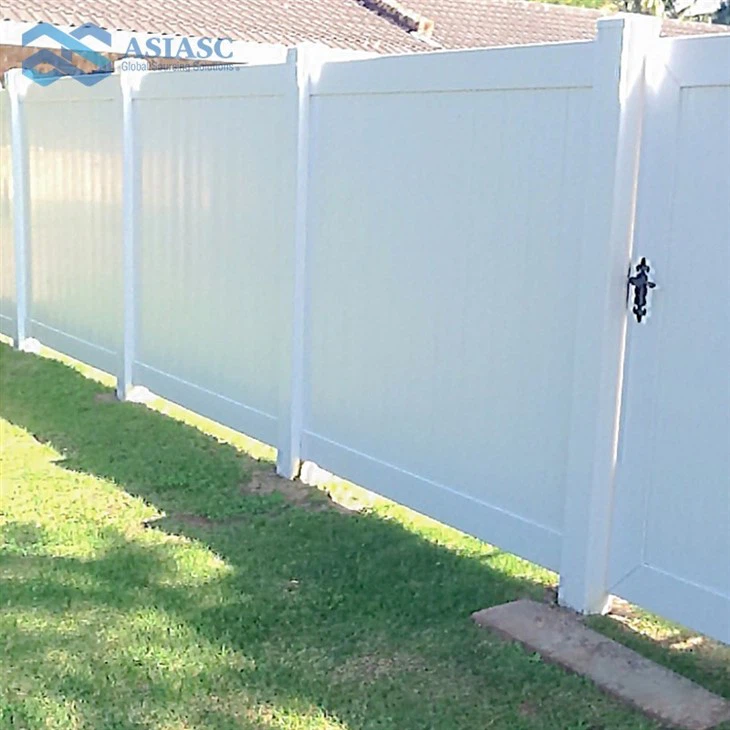
When considering the ease of installation, it's also helpful to compare white wood fencing with other popular fence types. For example, Pvc House Fence Panels are known for their relatively easy installation. PVC fence panels often come pre - assembled, which means you don't have to spend as much time cutting and assembling individual components.
Similarly, Vinyl Privacy Fence is another option that is generally easy to install. Vinyl fences are lightweight and can be quickly snapped or screwed together. In contrast, white wood fencing may require more time and effort, especially when it comes to cutting and treating the wood.
However, Pvc Fencing White and vinyl fences may not offer the same natural and rustic charm as white wood fencing. Wood has a unique texture and warmth that many homeowners find appealing.
Conclusion
In conclusion, whether white wood fencing is easy to install depends on several factors, including your skill level, the availability of tools, the site conditions, and the fence design. While it may be more challenging than some other fence types, such as PVC or vinyl fences, it can be a rewarding DIY project for those with the right skills and patience.
If you're considering installing a white wood fence for your property, I encourage you to reach out to us. As a supplier of high - quality white wood fencing, we can provide you with all the materials you need and offer expert advice on the installation process. Whether you're a seasoned DIYer or looking to hire a professional, we're here to help you create the perfect fence for your home. Contact us today to start discussing your fencing needs and explore our wide range of white wood fencing options.
References
- "The Complete Guide to Fence Installation" by Home Improvement Magazine
- "Wood Fencing: Types, Installation, and Maintenance" by DIY Home Builder's Handbook