

How does solid PVC decking compare to composite decking?
Aug 14, 2025
Leave a message
When it comes to choosing the right material for your deck, two popular options often stand out: solid PVC decking and composite decking. As a supplier of solid PVC decking, I have in - depth knowledge of both materials and can provide a comprehensive comparison to help you make an informed decision.
Composition and Manufacturing
Solid PVC decking is made entirely from polyvinyl chloride (PVC), a synthetic plastic polymer. This material is produced through an extrusion process, where molten PVC is forced through a die to create the desired shape of the decking boards. The manufacturing process allows for a high level of control over the final product's quality, consistency, and appearance.
On the other hand, composite decking is a blend of wood fibers and plastic. Usually, it consists of around 50 - 70% wood flour or fibers, combined with polyethylene, polypropylene, or PVC. The wood and plastic components are mixed together and then extruded or molded into decking boards. This combination aims to take advantage of the natural look of wood and the durability of plastic.
Appearance
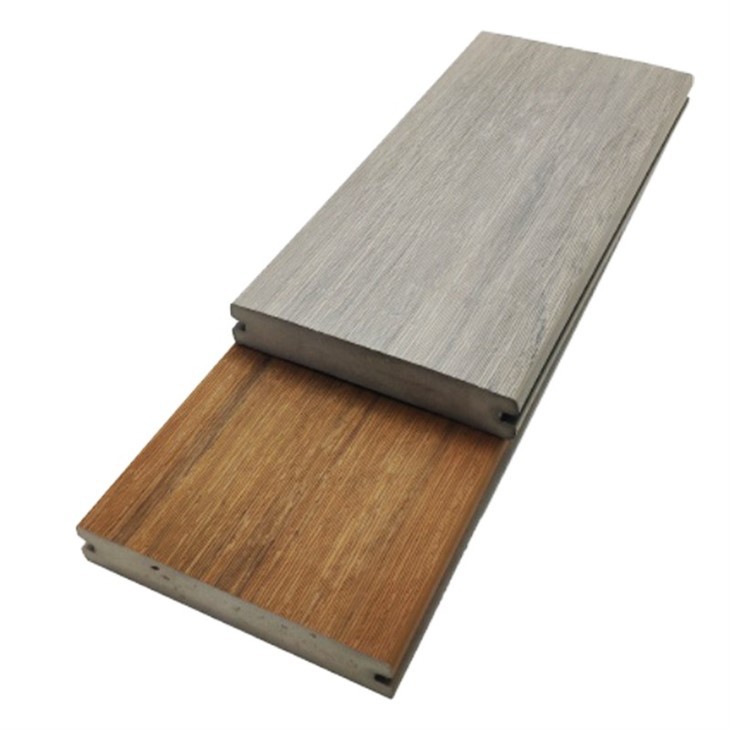
One of the significant factors in decking selection is appearance. Solid PVC decking offers a smooth, uniform surface with a wide range of colors and finishes. It can mimic the look of natural wood, including the grain patterns, but without the natural variations that can sometimes be a drawback for some homeowners. The color of solid PVC decking is consistent throughout the board, which means that scratches and scuffs are less noticeable compared to some composite deckings. You can explore our Pvc Deck Panels to see the variety of options available.
Composite decking also comes in various colors and styles that resemble wood. However, because it contains wood fibers, the surface may have a slightly more textured appearance. Some composite deckings can fade over time, especially if they are not properly maintained. In contrast, solid PVC decking is more resistant to color fading, ensuring that your deck looks great for years to come. Our Best Pvc Decking collection showcases the high - quality and aesthetically pleasing options we offer.
Durability and Maintenance
Durability is a crucial aspect of any decking material. Solid PVC decking is highly resistant to moisture, rot, and insects. Since it is made of plastic, there is no organic material for termites or other pests to feed on, and it won't absorb water, which eliminates the risk of rot and warping. This makes it an excellent choice for areas with high humidity or near water sources. Maintenance is also a breeze; a simple cleaning with soap and water is usually sufficient to keep it looking new.
Composite decking is also relatively durable, but it is not as impervious to moisture as solid PVC decking. The wood fibers in composite decking can absorb water, leading to swelling, warping, and mold growth if not properly maintained. Additionally, composite decking may require more frequent cleaning to prevent the buildup of dirt and debris in the textured surface. Our Deck Floor Pvc is designed to withstand the test of time with minimal maintenance requirements.
Cost
The cost of decking materials can vary depending on several factors, including quality, brand, and size. Generally, solid PVC decking tends to be more expensive upfront compared to composite decking. However, when you consider the long - term costs, such as maintenance and replacement, solid PVC decking can be a more cost - effective option. With its superior durability and low maintenance requirements, you'll save money in the long run by not having to replace or repair your deck as often.

Environmental Impact
In terms of environmental impact, both materials have their pros and cons. Solid PVC decking is made from a synthetic material, which means it does not rely on the harvesting of natural resources like wood. However, the production of PVC does involve the use of chemicals and energy. On the other hand, composite decking uses recycled plastic and wood fibers, which can be seen as a more environmentally friendly option. But the degradation of the wood fibers in composite decking over time may release carbon back into the atmosphere.
Installation
Installation of both solid PVC decking and composite decking is relatively straightforward, but there are some differences. Solid PVC decking is lightweight, which makes it easier to handle during installation. It also has a consistent size and shape, ensuring a precise fit. Some solid PVC decking products come with a hidden fastening system, which provides a clean and seamless look.
Composite decking is also easy to install, but its weight can make it a bit more challenging to maneuver, especially for larger projects. Additionally, composite decking may require special fasteners to prevent splitting or cracking.
Conclusion
In conclusion, both solid PVC decking and composite decking have their unique features and benefits. Solid PVC decking offers superior durability, low maintenance, and a wide range of aesthetic options. It is an excellent choice for homeowners who want a long - lasting, hassle - free deck. Composite decking, on the other hand, is a more budget - friendly option that provides a natural - looking alternative.
If you are considering a new deck or replacing an existing one, I encourage you to contact us to learn more about our solid PVC decking products. Our team of experts can help you choose the right decking material for your specific needs and provide you with all the information you need for a successful project. Whether you are a homeowner, contractor, or designer, we are here to assist you in creating the perfect outdoor space.
References
- Hoyle, C. E., & Kinstle, G. L. (2004). The Handbook of Polyvinyl Chloride Formulating. Wiley - Interscience.
- Stamm, A. J. (1964). Wood and Cellulosic Materials. Reinhold Publishing Corporation.